
A modest cafe budget is not only a decorating problem. When a queue blocks the door, pickup crowds the register, or cheap light makes pastries look dull, interior choices become operations choices.
For an independent operator, the first dollars should protect approval, service speed, cleaning labor, guest comfort, and sales before style.
A low-budget cafe interior should protect service flow before decoration
A low-budget cafe interior works best when spending starts with code compliance, traffic surfaces, menu and pastry visibility, seating, and then inexpensive atmosphere. Decoration is the final layer, not the foundation.
The service model sets the layout. A counter-service coffee bar needs a clear order, payment, espresso, pickup, and exit path. A grab-and-go cafe needs cold display and checkout without aisle jams. A bakery cafe needs pastry visibility and crumb-friendly cleaning. A light-food cafe needs more counter depth, dish return logic, and seats that support longer visits.
Cheap cafe interior choices become expensive when they slow ordering or cleaning
The first test is whether a choice adds daily labor. Residential paint scuffs behind chairs, porous tables stain, weak chairs loosen under dragging, and glare-heavy lighting makes guests hesitate at the menu.
- Entry: Guests should see where to line up without blocking the door.
- Queue: The line should avoid pastry browsing, pickup, restrooms, and seated guests.
- Order and payment: Guests should decide, pay, and step aside without crossing the barista path.
- Handoff: Pickup should sit far enough from new orders to prevent crowding.
- Condiments, trash, restrooms, and exit: Guests should finish without walking back through the queue.
Atmosphere still matters after bottlenecks are solved. Artwork, plants, color, and shelf styling can follow the operational plan, like other low-cost mood-lifting interior ideas.
The cafe interior budget should separate code-required work from visible style work
The budget should isolate work that can stop an opening: plumbing, electrical capacity, restrooms, accessible routes, food-prep surfaces, fire review, ventilation, and approved finish materials. Local review varies, so confirm agencies before buying decorative fixtures.
For example, Alameda County Health maintains a Plan Check Guide for Retail Food Facilities. Other jurisdictions may involve building, health, fire, planning, and accessibility review.
A practical sequence is to sketch equipment and guest flow, confirm code and landlord limits, price hard work, submit required plans, then choose visible finishes. If paints, sealers, adhesives, or other VOC-emitting products are installed indoors, the U.S. Environmental Protection Agency recommends increasing ventilation in its VOC indoor air quality guidance.
The best low-budget cafe interior savings are durable floors, protected walls, and simple counters
The safest savings come from plain commercial materials, not fragile residential finishes. Floors, walls, and counters must tolerate spills, chair movement, mopping, sanitizer, and repeated guest contact.
What is the best flooring for a cafe interior on a budget?
The best budget flooring is the least expensive surface that stays cleanable, slip-aware, and repairable in its zone. Price flooring by life in service, not first invoice.
- Sealed concrete, often about $3 to $8 per square foot installed: useful in dining areas if cracks, stains, and moisture are controlled, but cold and loud.
- Polished concrete, often about $4 to $12 per square foot installed: clean and durable, but wet entries and pickup counters need mat or texture planning.
- Commercial VCT, often about $4 to $8 per square foot installed: cheap and repairable, but waxing and stripping add labor.
- Commercial LVT, often about $5 to $12 per square foot installed: warmer underfoot, but seams, wear layer, and wet-area warranty limits matter.
- Porcelain or quarry tile, often about $10 to $25 per square foot installed: strong for restrooms, entries, and messy zones when grout and texture are planned.
- Epoxy or rubber flooring, often about $8 to $18 per square foot installed: helpful in back-of-house or fatigue areas, but substrate prep decides success.
For wet entries, drink pickup, dish return, and back-of-house transitions, ask suppliers for commercial-use approval, wet slip-resistance information, cleaning instructions, and limits on sanitizer, steam, and rolling loads.
Low-cost wall protection should go where chairs, queues, and mop water hit first
Wall savings should start with impact mapping. Chair backs, queue corners, trash stations, condiment ledges, restroom corridors, and mop zones need protection before the brand wall gets a mural. Washable commercial paint can work above the abuse line, especially with interior painting ideas for stronger color unity, but paint alone rarely survives chair rubs and wet baseboards.
FRP panels are inexpensive in utility zones, tile wainscot reads more intentional near banquettes and restrooms, and corner guards or chair rails keep early scuffs from making the cafe feel neglected.
Simple cafe counters can look intentional if the edges, toe-kicks, and cleaning gaps are right
Budget counters fail when seams swell, toe-kicks trap grime, or staff cannot wipe around equipment. Laminate is often the best front-counter value if edges are protected from espresso drips and ice-bin splash. Stainless steel belongs where water, dairy, and sanitizer are constant.
Spend on eased edges, sealed joints, cleanable splash zones, recessed toe-kicks, and landing space for POS, pastry tongs, lids, pickup drinks, and condiments.
Inexpensive cafe interior lighting must make menus, pastry, and faces easy to read
Inexpensive cafe lighting works when planned by task instead of fixture style. A small cafe needs clear menu reading, attractive pastry display, safe circulation, flattering seated light, and brighter staff light at the register, espresso station, dish area, and closing zones.
Cafe interior lighting should be zoned for ordering, display, seating, and cleaning
The budget mistake is repeating one decorative pendant everywhere. A better low-cost plan uses general light for movement, focused light for decisions, and stronger task light where staff work fast.
- Entry and queue: keep faces and floor edges visible.
- Menu board and register: use bright, even light, often around 30 to 50 foot-candles at the reading surface, without glare.
- Pastry case and retail shelves: use directional LED track heads or under-shelf lighting with good color rendering.
- Seating: use warmer, lower light than the counter, often around 10 to 20 foot-candles.
- Restrooms and cleaning zones: provide enough brightness for safety and closing work.
Cheap cafe lighting fails when glare, shadows, or poor color make the product look worse
Low-cost fixtures fail most often at eye level. Bare bulbs over two-tops, shiny downlights above pastry glass, and narrow beams over the counter create glare, tired-looking faces, and shadows where guests decide what to buy.
Save on fixture complexity, not light quality. Warm hospitality color temperatures often work well, with 2700K to 3000K for seating and 3000K to 3500K near product display. Track lighting is flexible and budget-friendly; pendants should add atmosphere, not carry the room.
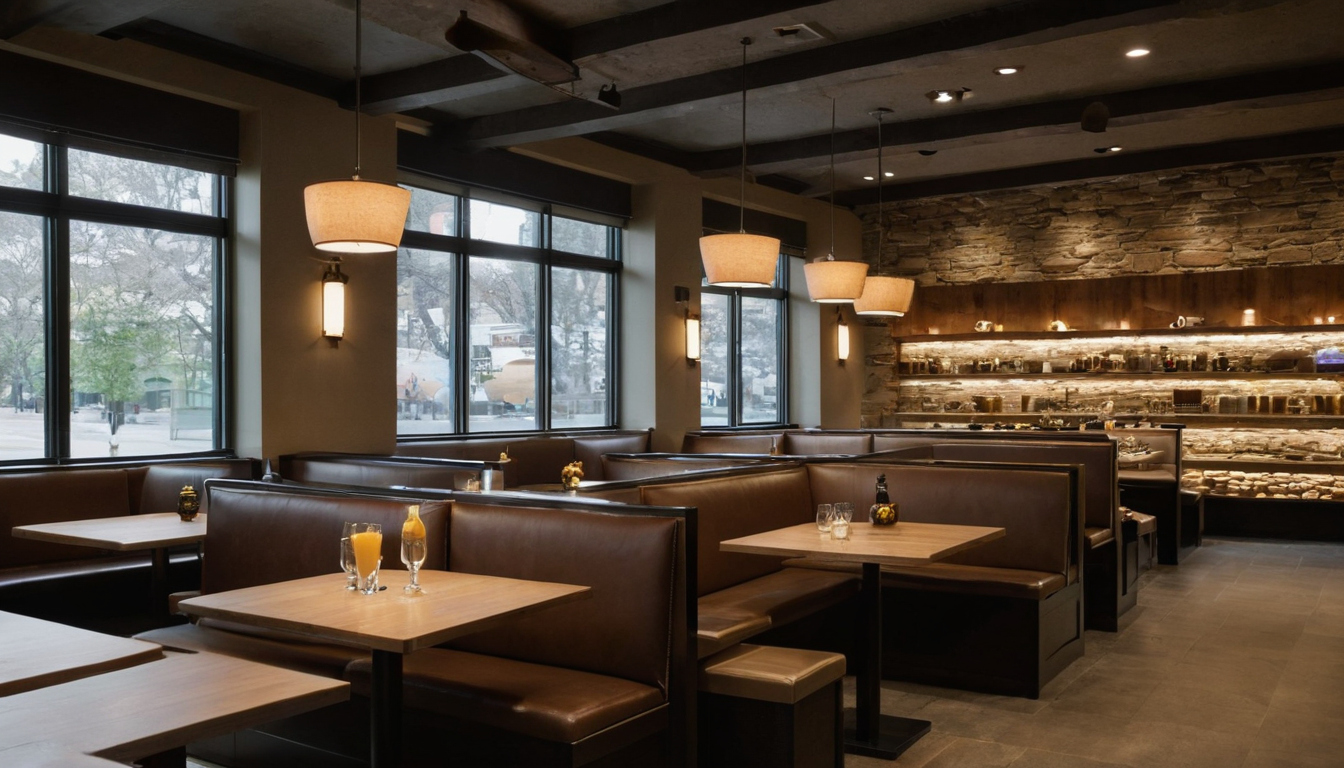
Inexpensive cafe interior lighting must make menus, pastry, and faces easy to read shown as a planning reference for layout, scale, and material decisions.
A small cafe interior needs a seat mix that supports comfort, turnover, and revenue
A small cafe interior should not fill every wall with the same chair and table. The best budget layout mixes quick two-tops, a few longer-stay seats, accessible seating, and clear paths.
Cafe interior seating should match dwell time instead of copying lounge design
Seat planning starts with the service model. A coffee bar needs fast landing spots near handoff. A bakery cafe needs tables sized for plates, pastry boxes, and bags. A light-food cafe needs enough surface depth for lunch, water, and condiments.
Sketch peak behavior before buying furniture: how many guests queue, wait for takeaway, sit for ten minutes, or stay through a full drink cycle. Quick two-tops can be pushed together, a short banquette can add density, and a few softer seats can create warmth without turning the cafe into a lounge.
- Short visits: compact two-tops, armless chairs, wall ledges, and window stools.
- Bakery or lunch visits: sturdier tables with wipeable tops and enough depth for plates.
- Longer stays: limited upholstered or padded seats away from the order queue.
- Accessible seating: routes and clear floor areas planned before decorative extras.
The 2010 ADA Standards for Accessible Design specify a 30 by 48 inch clear floor or ground space for wheelchair positioning. In a small cafe, that space belongs in the first seating plan.
Commercial cafe furniture is worth buying where failure affects safety or appearance
Budget furniture can work for a decorative side table or lightly used corner chair. Commercial cafe furniture is worth buying where guests pull, drag, lean, spill, and photograph the room every day. Basic commercial chairs often fall around $90 to $250 each, stools around $120 to $300, and simple laminate tables around $100 to $350.
Furniture specifications should answer three questions: can the chair survive commercial use, can staff clean the seams quickly, and can the finish be repaired or replaced without changing the whole room?
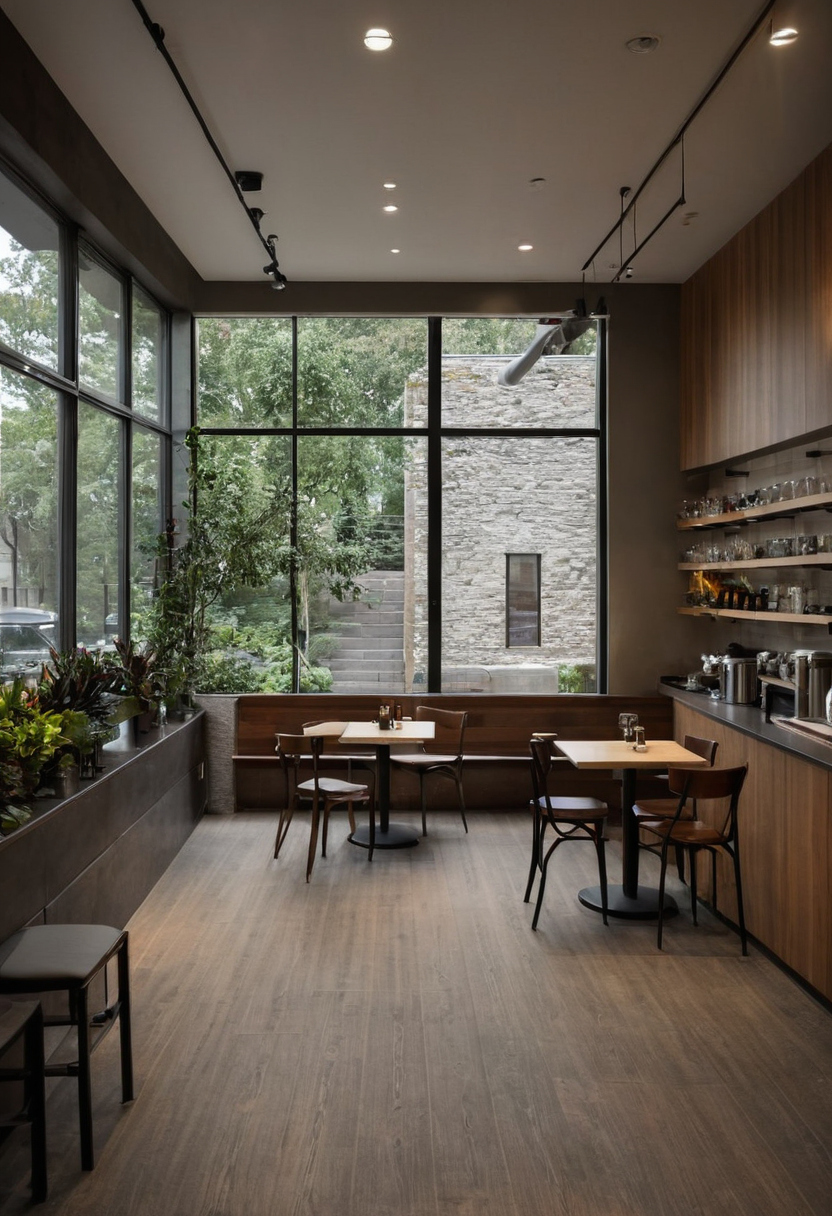
A small cafe interior needs a seat mix that supports comfort, turnover, and revenue shown as a planning reference for layout, scale, and material decisions.
A low-budget cafe interior can control noise with targeted acoustic and maintenance choices
A low-budget cafe can feel calmer without a full acoustic rebuild. In hard-surface rooms, targeted ceiling panels, felt baffles, washable wall panels, upholstered banquettes, and quieter chair details can reduce harshness.
Cafe interior acoustics should focus on ceilings, chair noise, and equipment zones first
Cafe noise usually comes from grinders, steaming milk, blenders, ice, dish tubs, chair legs, hard ceilings, and guests raising their voices. Treat the biggest reflective surfaces before buying decorative sound objects for random walls.
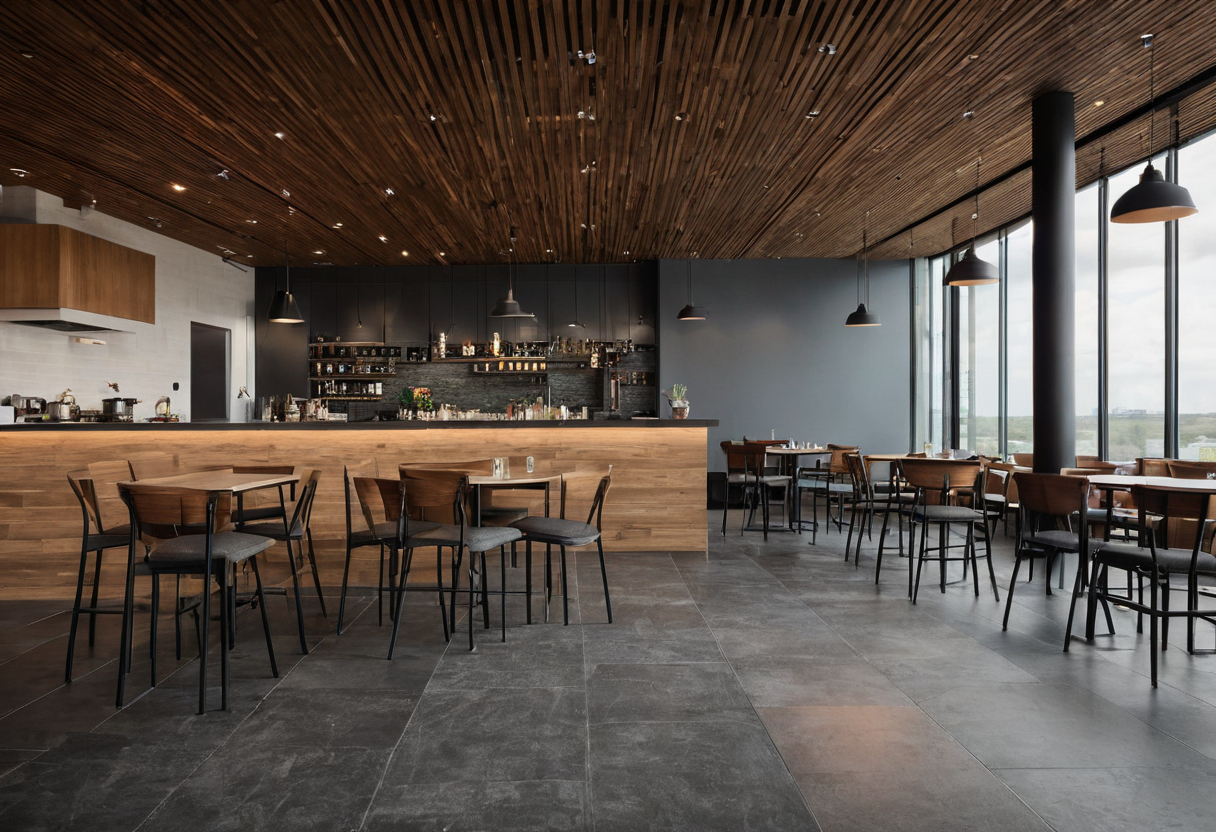
A low-budget cafe interior can control noise with targeted acoustic and maintenance choices shown as an editorial reference for proportion and finish coordination.
- Ceilings: acoustic ceiling panels or suspended clouds often give the best return in a small hard cafe.
- Furniture: felt glides, rubber feet, and stable chairs are cheap compared with scraping metal legs.
- Equipment zones: grinders, blenders, dish drop, and ice should sit away from the quietest seats when possible.
Maintenance-friendly cafe materials protect guest comfort after opening day
Maintenance is part of comfort because dirty fabric, stained panels, sour mop water, and dusty light fixtures make a cafe interior feel old. Fabric, rugs, curtains, and acoustic panels should be cleanable, securely installed, and acceptable to the local health department and fire authority.
The U.S. Environmental Protection Agency identifies paints, varnishes, waxes, cleaning products, building materials, and furnishings as common indoor sources of volatile organic compounds, so finish selection and cleaning routines affect air quality as well as appearance.
Daily cleaning should favor sealed floors, wipeable chair backs, protected wall bases, washable table edges, reachable lighting, clean vents, and restrooms that do not fight the staff.
Cafe interior designers are most useful when permits, flow, or brand decisions are costly to reverse
Cafe interior designers are most useful when a modest project involves permits, equipment layout, accessibility, lighting plans, millwork, or a tight footprint. Selective help can cost less than rebuilding counters, moving outlets, or correcting failed inspections.
Professional help can be layered. A decorator may help with color, art, and loose furniture. A hospitality interior designer can translate the menu, queue, lighting, seating, and finish schedule into a buildable cafe interior. An architect or engineer may be required for structural, mechanical, plumbing, electrical, occupancy, or major tenant-improvement work.
A low-budget design cafe brief should include service flow before colors and furniture
A useful design cafe brief starts with operations. Give the designer, contractor, or landlord the menu, equipment list, rush pattern, queue length, pickup model, delivery handoff, restroom needs, storage needs, cleaning routine, utility constraints, seating goals, and brand tone.
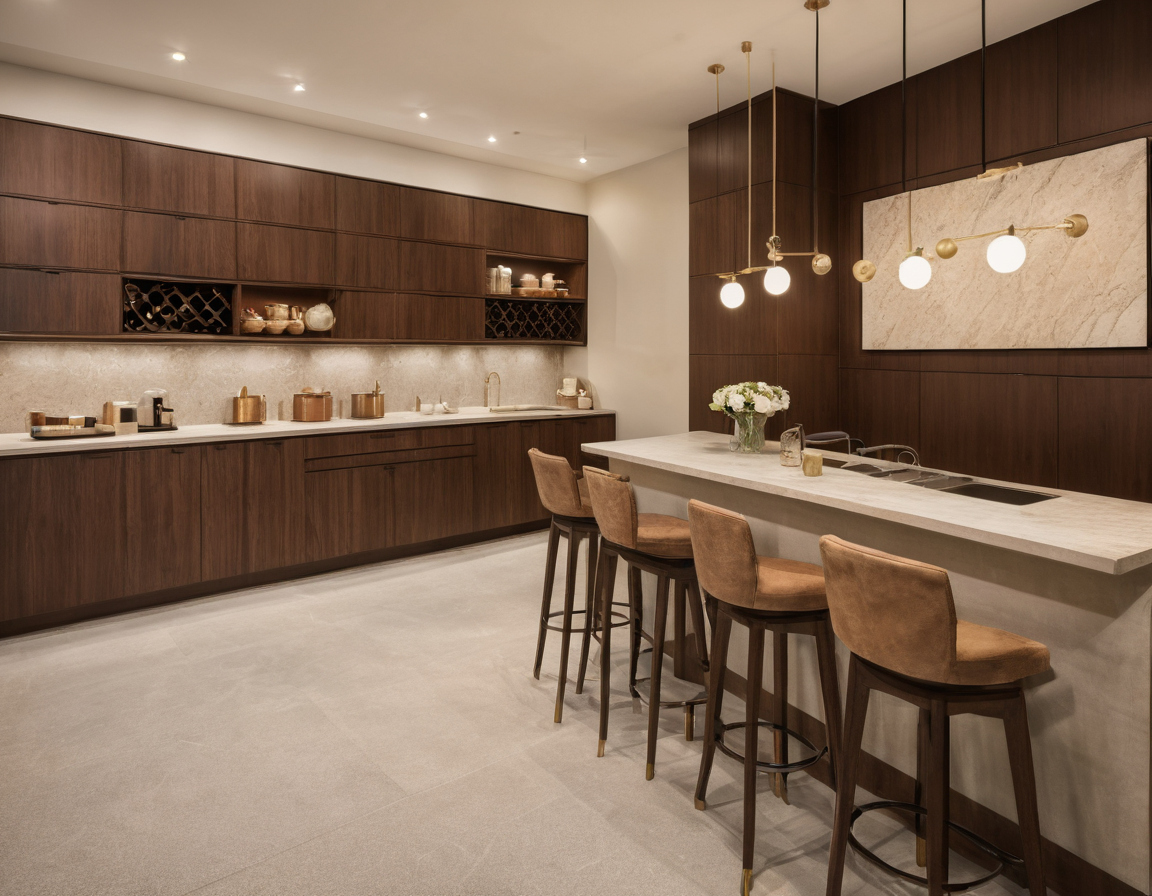
Cafe interior designers are most useful when permits, flow, or brand decisions are costly to reverse shown as a planning reference for layout, scale, and material decisions.
The first adjacency sketch should be simple: entry to queue, queue to menu, menu to order point, order point to espresso and pastry, espresso to handoff, handoff to condiments, condiments to trash, then seating and exit. Lighting belongs in the same conversation because ENERGY STAR states that qualified LED lighting uses at least 75 percent less energy and lasts up to 25 times longer than incandescent lighting.
Cafeteria interiors offer useful durability lessons for budget cafes
Cafeteria interiors teach budget cafes to respect traffic, moisture, and cleaning before styling. Useful lessons include washable wall panels behind trash areas, tile or sealed surfaces near mop splash, replaceable chair glides, simple tray-return logic, and acoustic treatment above loud zones.
The cafe should not feel institutional. Durable materials can be softened with warmer lamps, tighter color control, wood-tone furniture, framed menu boards, plants in washable containers, and a few strong brand surfaces near the counter. For brand coherence after the operational plan is set, the same discipline applies to telling a clearer design story.
Moisture details still matter. The U.S. Environmental Protection Agency guide to mold and moisture says wet or damp spots should be fixed promptly to help prevent mold growth.
The best low-budget cafe interior checklist ranks choices by operational risk
The strongest low-budget cafe interior plan ranks each choice by how often guests touch it, how often staff clean it, whether inspectors review it, and whether replacement would interrupt service. Score each line item against code impact, sanitation impact, guest visibility, replacement difficulty, labor impact, and brand impact.
- Must spend: inspected finishes, food-area floors and walls, restroom surfaces, accessible routes, electrical and plumbing work, fire-rated materials, service counter durability, display lighting, and furniture that carries daily weight.
- Safe to save: simple paint schemes, standard laminate faces, plain menu frames, economical tile patterns, basic shelving, and restrained trim that still cleans well.
- Delay until after opening: art, planters, decorative pendants, movable retail shelves, seasonal textiles, upgraded menu holders, and extra accent paint.
- Avoid: residential chairs in heavy use, absorbent wallcovering near trash or mop zones, slippery flooring, dark menu lighting, fragile counter edges, and decorative pieces that block queue flow.
Spend on cafe interior elements that are inspected, cleaned daily, or hard to replace
Inspected cafe interior elements deserve priority because a failed review can delay opening. Floor and wall finishes in food areas, restroom finishes, accessible routes, lighting controls, electrical work, plumbing work, and fire-rated materials should come before decorative upgrades. For accessible dining and work surfaces, the U.S. Department of Justice 2010 ADA Standards for Accessible Design set the surface height at 28 to 34 inches above the finish floor or ground.
| Choice | Operational risk | Budget decision |
|---|---|---|
| Decorative wall mural | High brand value, low service risk | Delay unless it replaces needed signage |
| Better floor finish | High cleaning and replacement risk | Fund before decorative work |
| Acoustic ceiling panels | High comfort risk in hard rooms | Install in noisy zones first |
| Display lighting | High merchandising risk | Fund if pastry or retail sales matter |
Save on cafe interior elements that can be upgraded after the first revenue cycle
Upgrade-later cafe interior pieces should be movable, clean, and easy to install before or after hours. Art, planters, nonessential pendants, retail shelves, accent paint, menu frame upgrades, and textiles can follow the first revenue cycle if the opening room already feels orderly, bright, and comfortable.
FAQ
What is the best flooring for a low-budget cafe interior?
The best flooring is a commercial surface that matches the zone. Sealed concrete, polished concrete, VCT, LVT, porcelain tile, quarry tile, epoxy, and rubber can all work when slip risk, cleaning, moisture, and repair are planned.
What is the 3-5-7 rule in interior design, and does it help a cafe interior?
The 3-5-7 rule groups objects in odd numbers for a more natural composition. It can help shelf styling, plants, and art, but it should come after service flow, lighting, cleanability, and seating.
How can a small cafe interior look minimalist without feeling cold?
Use fewer materials, warmer light, wood-tone furniture, clean menu graphics, and soft acoustic surfaces. Minimal should mean edited and easy to clean, not bare, noisy, or uncomfortable.
What cafe interior choices should a new operator never buy residential-grade?
Heavy-use chairs, stools, service counters, food-area flooring, wet-zone wall finishes, and guest-facing table surfaces should be commercial-grade or clearly approved for commercial use.
When is it worth hiring cafe interior designers for a modest buildout?
Hiring cafe interior designers is most valuable when permits, equipment layout, accessibility, lighting, millwork, or a tight footprint could create expensive mistakes.
Let operations choose the first spend. A low-budget cafe interior ages better when durability, clarity, accessibility, and cleanability come before atmosphere.